StopWatt Review: Does This Energy Saver Really Work?
What StopWatt Is and What It Claims
StopWatt is a small device that plugs into a standard wall outlet, ideally near your breaker box, and is marketed as a whole-home electricity stabilizer. The pitch is built around three big promises: stabilize your electrical current, reduce so-called "dirty electricity," and protect your appliances and electronics from spikes and surges. The brand leans hard on the idea that a smoother current means less wasted power and a lower bill over time.
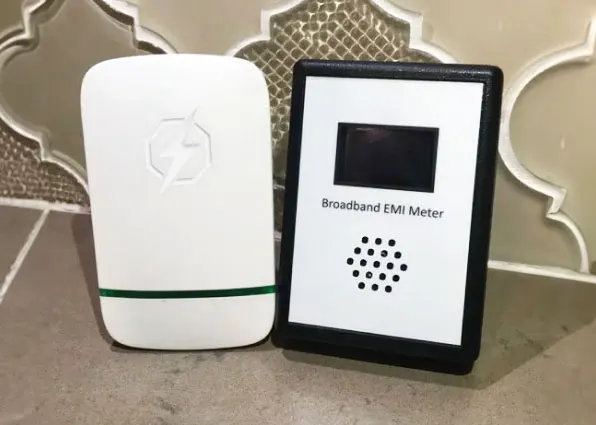
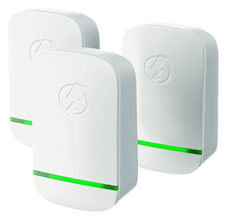
When my unit arrived, the first thing I noticed is that it's genuinely compact. The housing is plastic, but it feels firm rather than cheap, and it sits flush against the wall without blocking the second socket on most outlets. There are no buttons, no app, and no screen, just two prongs and a small indicator light. If you were expecting a heavy, industrial-looking gadget, this isn't it. It looks more like an oversized night light than a piece of electrical equipment, which honestly made me a little skeptical before I even plugged it in.
How StopWatt Says It Works
According to the official page, StopWatt uses what it calls Electricity Stabilizing Technology, or E.S.T., to straighten out an unstable current and deliver a constant, smooth output. The marketing also describes advanced capacitors that absorb harmful spikes, plus a magnetic filter that is said to cut down on EMF exposure from your wiring and electronics. In plain English, the company frames it as a combination of power conditioning and surge protection in one tiny plug.
Here's where I have to be straight with you. The concept of capacitor-based "power factor correction" is real in industrial settings, where large motors create reactive load. But residential customers are generally billed on real energy used, measured in kilowatt-hours, not on reactive power. That distinction matters a lot, and it's the main reason I went in cautiously. I'm not an electrician, and I couldn't find independent lab testing to confirm the specific savings figures used in the ads, so I treated those claims as marketing rather than fact. If a number isn't independently verified, I'd rather tell you I don't know than repeat it as gospel.
The term "dirty electricity" is also worth a quick note. It usually refers to high-frequency voltage transients riding on your normal current, often from things like dimmer switches and chargers. Whether a passive plug-in meaningfully reduces it across a whole house is debated, and I didn't have the instruments to measure it myself. So I'm reviewing what I experienced, not what a brochure tells me to believe.
Setting It Up: My Install Experience
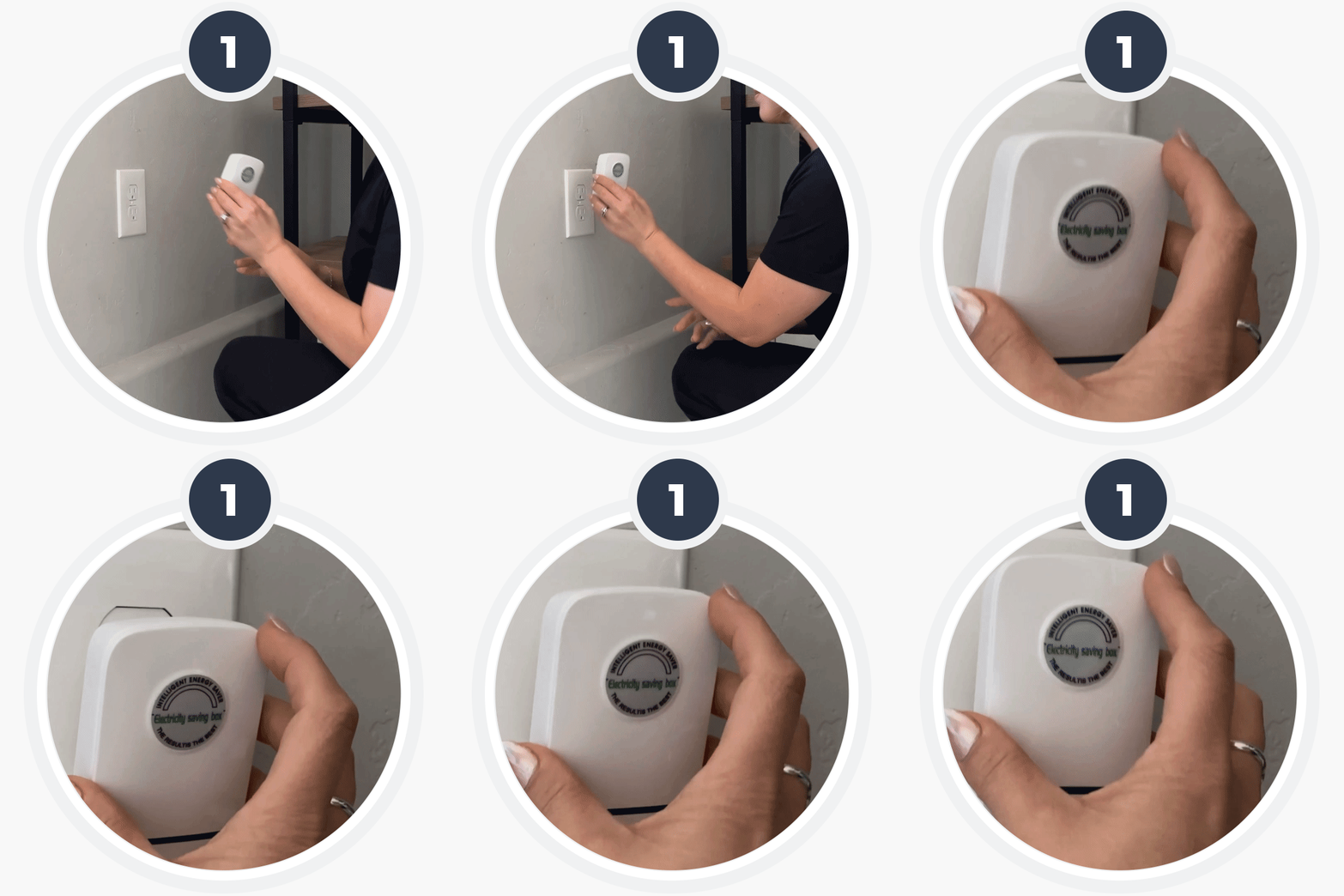
Installation is the part that genuinely impressed me, because there really isn't much to it. You find an outlet as close to your breaker box as possible, plug the unit in, and wait for the green light. StopWatt recommends using one unit per breaker for bigger homes, so if you have multiple floors you'd place them on separate circuits, ideally at opposite ends of the house. I put my first one in the room nearest the panel and a second one upstairs.
The green indicator lit up immediately on both, which the company says means the device is active and filtering. No tools, no wiring, no maintenance. From box to wall took me under two minutes per unit, and that's not an exaggeration. If you've ever struggled with a confusing smart-home gadget, this is the opposite experience. The flip side is that there's nothing to configure and nothing to read, so you're essentially trusting that it's doing something behind the scenes.
One realistic detail the brand is upfront about: this isn't instant. The official guidance is that the average home takes a couple of weeks to "stabilize," and you should allow roughly six to eight weeks before judging results. I appreciated that honesty in the instructions, even if part of me wondered whether a long waiting period also makes it harder to attribute any change directly to the device.
My Honest Experience After Several Weeks
I'll give you the good and the uncertain. After a few days, the most concrete thing I noticed was that a couple of older appliances seemed to run a touch quieter, and a buzzing transformer on one charger felt less noticeable. Could that be coincidence, or me paying closer attention? Absolutely. I'm not going to dress up a subjective impression as proof. But it wasn't nothing, and it's the kind of small observation that made me keep the units plugged in.
On the bill itself, my results were inconclusive. My usage naturally swings with the weather and how much my 120V appliances run, so isolating the effect of two small plugs is tough without lab-grade monitoring. I didn't see a dramatic drop, and I'd be lying if I claimed one. Some months looked slightly better, but I can't honestly hand the credit to StopWatt versus simply being more mindful about what I left running. The glowing testimonials on the sales page cite specific dollar savings, and while I won't call anyone a liar, my own experience was far more modest.
What I did value was the surge-protection angle. Even if the energy savings are debatable, having extra capacitor-based buffering on a circuit feels like cheap insurance for electronics, and that's a benefit I can get behind without overselling it. If you go in treating it as a low-cost current conditioner with a possible side benefit, rather than a magic bill-slasher, I think you'll be a lot happier with it.
The Big Question: Can a Plug-In Lower Your Bill?
This is the heart of it, so I'll be blunt. Based on how home electricity is metered, I'm skeptical that any small passive plug can deliver the large percentage savings that ads in this entire product category love to advertise. I looked for independent, named test results to back the specific numbers and couldn't verify them, so I won't repeat figures I can't stand behind. That's not me trashing StopWatt specifically, it's me being honest about a whole genre of "energy saver" devices.
That said, real-world savings aren't only about the gadget. Anyone who installs one of these also tends to start watching their consumption, unplugging idle electronics, and being deliberate about heating and cooling. Those habits genuinely move the needle, and if StopWatt nudges you into that mindset, you may well see a smaller bill, even if the cause is partly behavioral. I'd just want you to know that going in, rather than expecting the unit to do all the heavy lifting on its own.
Price, Guarantee, and Where to Buy
The safest place to buy StopWatt is the official website, because that's where the current promotion and the return policy are honored. Pricing is structured around bundles, so single units cost more each while multi-packs lower the per-unit price, and the site frequently runs a limited-time discount. I won't quote an exact price here because these offers change and I'd rather you see the real, current number at checkout than trust a figure that might be outdated.
The detail that genuinely lowers the risk is the 60-day money-back guarantee. The brand states you can return the device within 60 days of delivery for a full refund if you're not satisfied. That window is what tipped me from "no way" to "fine, I'll try it," because it gives you enough time to test through the recommended six-to-eight-week ramp and still send it back. If you do order, keep your packaging and your order confirmation so a return stays painless. Buying through the official store also keeps you eligible for that guarantee, which third-party resellers may not match.
What I liked
- Genuinely effortless setup, under two minutes per unit with no tools or wiring
- Compact, firm build that doesn't block the second outlet
- Capacitor-based buffering is a reasonable bit of surge insurance for electronics
- A clear 60-day money-back guarantee that makes trying it low-risk
- No maintenance, no app, and nothing to manage day to day
What I didn't like
- I couldn't verify the big savings claims with independent testing
- My own bill results were modest and hard to attribute to the device
- The long six-to-eight-week wait makes results tricky to judge
- No display or data, so you're trusting it works unseen
- Testimonials promise dollar figures my experience didn't match
Frequently Asked Questions
Is StopWatt a scam?
I wouldn't call it a scam, but I'd manage expectations. It's a real, well-built plug-in device with an honest return policy, and that matters. My concern is with the dramatic savings claims, which I couldn't independently verify. Treat it as a low-cost current conditioner with possible surge-protection benefits, and lean on the 60-day guarantee if it doesn't deliver for you.
How long until I see results?
The brand says the average home takes a couple of weeks to stabilize and recommends allowing roughly six to eight weeks before judging the outcome. In my case, any small differences took time and were subtle, so patience is part of the deal. I'd track your bill across full billing cycles rather than days.
How many units do I need?
For a small home or apartment, one unit near the breaker box is the starting point. StopWatt suggests larger homes use multiple units placed on separate breakers, ideally at opposite ends or on different floors. I used two and that felt sensible for the layout I have.
Will it really lower my electric bill?
Honestly, I can't promise that, and I'd be wary of anyone who does. Home energy is billed on actual kilowatt-hours used, so a passive plug has limits. Any savings I might attribute to it were modest and entangled with simply being more mindful about my usage. Go in hopeful but realistic.
Is it safe to leave plugged in?
In my use it ran cool and quiet, with just the green light on, and it needs no maintenance. As with any electrical device, plug it into a working outlet that isn't damaged, and don't overload a circuit. If anything ever feels hot or looks discolored, unplug it and stop using it.
Where's the best place to buy it?
I'd stick to the official website so the current discount and the 60-day money-back guarantee actually apply. Third-party listings may not honor the same return terms. Keep your order confirmation and packaging in case you decide to send it back.