Qinux BreezaMax Review: My Honest Take After Weeks of Real Use

What Is the Qinux BreezaMax?
The Qinux BreezaMax is a small, portable evaporative air cooler marketed as a budget-friendly alternative to traditional cooling. It's the kind of device you set on a desk, nightstand, or kitchen counter to get a stream of cooler, slightly humidified air. Out of the box, mine felt lighter than I expected, and the plastic housing, while clearly plastic, is firm and doesn't creak when you carry it.
The official marketing leans hard on dramatic stories and claims, including talk of "NASA-inspired" technology, cooling a 30-square-metre room in under three minutes, and energy companies supposedly trying to ban it. I want to be upfront here: those are classic advertorial flourishes, and I'd take them with a big pinch of salt. What you're really buying is a personal evaporative cooler, and judged honestly on that basis, it does a reasonable job. The trick is matching your expectations to what the category can actually deliver.
How It Actually Works
Despite the branded "HydroChill" name in the marketing, the underlying principle is evaporative cooling, which is well understood and has been used for a very long time. You add water to a small tank, the device draws air through a moistened pad or filter, and as that water evaporates it pulls heat out of the air. The result is a breeze that feels noticeably cooler and a little more humid than the surrounding room. It's the same basic effect you feel when a wet towel or a breeze off a lake cools your skin.
This matters for one big reason: evaporative coolers work best in dry air. The drier and hotter the room, the more water can evaporate, and the bigger the cooling effect you'll feel. In a very humid environment, the air is already close to saturated, so there's less room for evaporation and the cooling sensation is weaker. That single fact explains most of the mixed reviews you'll see online for devices in this category, and it's the most important thing to understand before you buy a Qinux BreezaMax.
Because it cools by moving and evaporating water rather than running a compressor like a real air conditioner, it draws far less power. That's the legitimate kernel of truth behind the "save on bills" messaging. You're running what amounts to a fan plus a small pump, not an energy-hungry refrigeration cycle.

My Experience Testing It
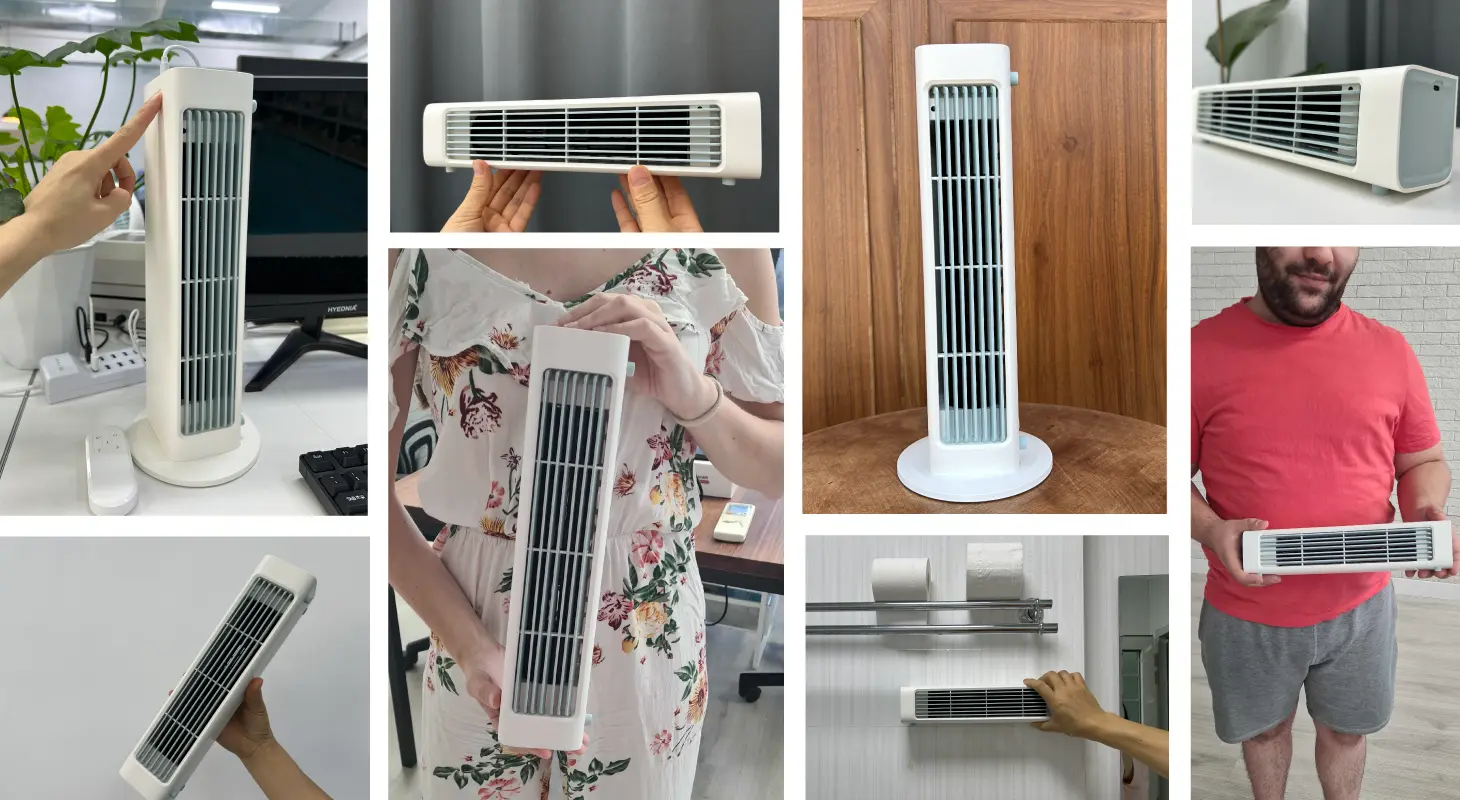
I tested mine over a few weeks across different rooms and conditions, because a single afternoon never tells the full story. The first thing I noticed was how simple setup was. I filled the tank, plugged it in, and within a minute or so I had a cool stream of air aimed at my arms and face. On a dry, warm afternoon at my desk, the difference in how I felt was immediate and genuinely pleasant.
After a few days I settled into a routine of using it as a personal cooler rather than a room cooler. Sitting about an arm's length away, it kept me comfortable while I worked, and the gentle humidity was actually nice for my eyes and throat, which usually dry out under a ceiling fan. At night I ran it on the lowest setting on my nightstand, and the sound was soft enough that I could sleep through it. That low-noise behaviour was one of my favourite things about it.
I'll be honest about the less impressive moments too. On a couple of muggy, humid days, the cooling effect dropped off noticeably. I could feel air moving, but the "cool" part was much weaker, exactly as the evaporative principle predicts. I also tried it once in a larger living room hoping it would cool the whole space, and it simply didn't. A few feet away from the unit, the temperature felt the same as the rest of the room. That experiment reset my expectations in a useful way, and from then on I treated it as a spot-cooling gadget, which is where it shines.
Performance and Honest Limitations
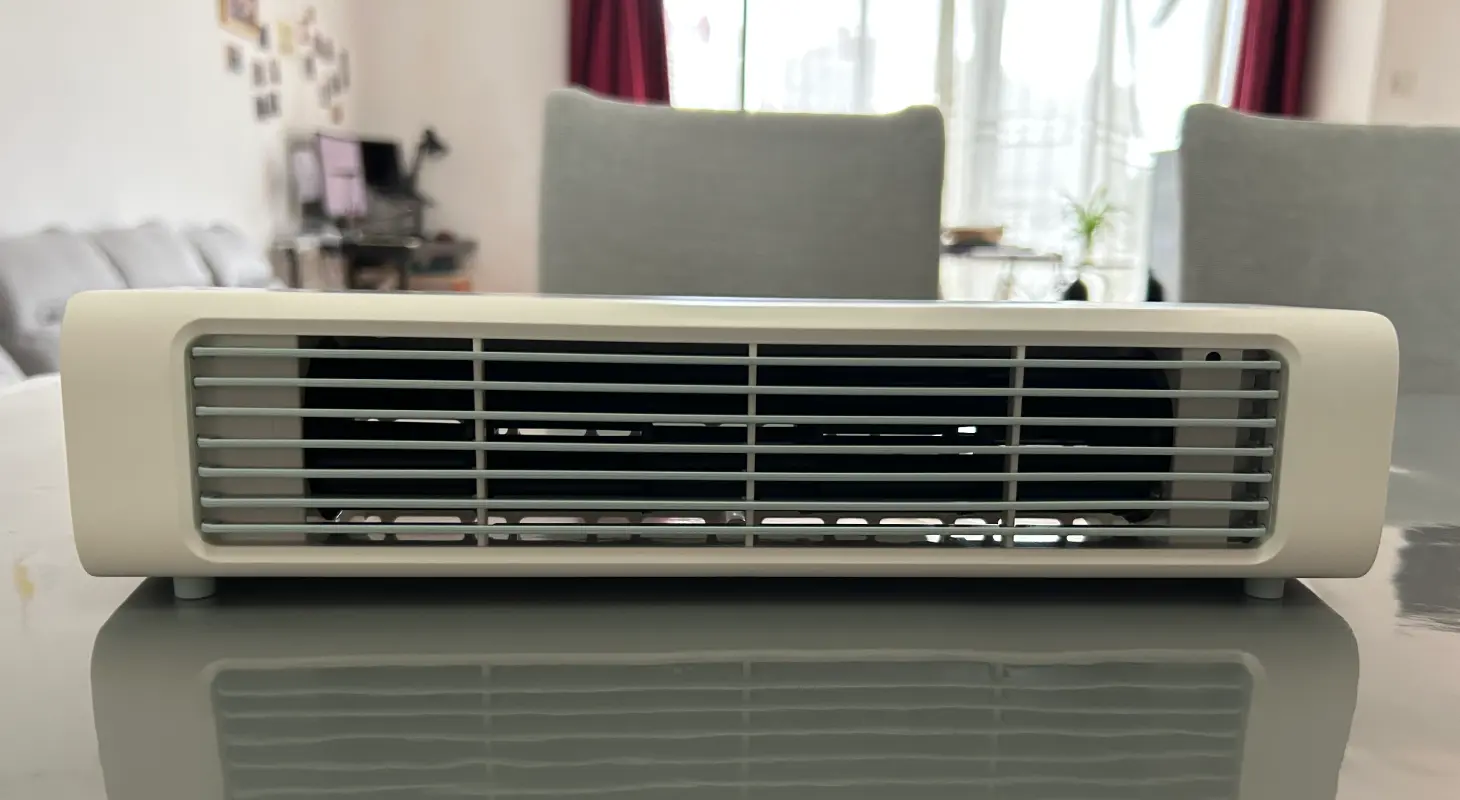
So, does the Qinux BreezaMax work? In my experience, yes, but within clear limits. As a personal cooler that creates a comfortable microclimate right where you are, it does the job well, runs quietly, and uses very little electricity. As a substitute for central air or a window unit that cools a whole room down by several degrees, it does not. I think a lot of disappointed buyers are simply people who expected the latter and got the former.
The biggest limitation is climate dependence, which I covered above. If you live somewhere humid, set your expectations low. The second limitation is range. This is a close-range device, so the benefit fades quickly as you move away from it. The third is the marketing itself. Claims like cutting your bills by a dramatic percentage, cooling a large room in minutes, or being suppressed by powerful companies are not things I can verify, and I'd encourage you to ignore them entirely when deciding. Judge the device on the modest, real comfort it provides, not on the hype.
One more practical note: because it relies on a water tank, you'll need to refill it periodically depending on how long and how hard you run it. That's normal for the category, but it's a small chore that a regular fan doesn't have. For me it was a fair trade for the extra cooling sensation.
Setup, Maintenance, and Noise
Setup is about as easy as it gets. Fill the tank with clean water, plug it in, and choose a speed. There's nothing to install, no hoses out a window, and no professional setup, which is a genuine advantage over a traditional air conditioner. The portability is real too. It's light enough to carry one-handed between the desk, the kitchen, and the bedroom.
Maintenance is mostly about water hygiene. Because the device uses a moist pad and standing water, I'd recommend emptying the tank when you're not using it for a while, letting the pad dry out, and giving it an occasional rinse to keep things fresh. Any device that combines water and air benefits from that kind of basic care, and skipping it can lead to musty smells over time. Following the included instructions on cleaning intervals is the safe approach.
On noise, I was pleasantly surprised. On low it's a soft whoosh that I'd describe as easy background sound, and even on higher settings it never reached the rattly, droning level of some cheap fans I've owned. The quiet operation is one of the reasons I kept reaching for it at bedtime.
Price and Where to Buy
The Qinux BreezaMax is sold primarily online through the official channel rather than in physical shops, and the brand frequently runs limited-time promotions and bundle discounts. Because pricing and offers change and I can't verify a specific figure as I write this, I won't quote an exact number. The honest advice is to check the current price directly on the official offer page so you see the real, up-to-date deal and any multi-unit discounts.
My one buying tip: purchase through the official listing rather than random third-party sellers. That tends to be where you'll find the genuine product, the stated return or guarantee terms, and any active bundle pricing. Read those terms before you order so you know exactly what you're getting and what your options are if it isn't right for you.
What I Liked
- Genuinely cooling as a personal, close-range device on dry days
- Very quiet, even good enough for sleeping
- Low power draw compared to a traditional air conditioner
- Light, truly portable, and easy to move room to room
- No installation, hoses, or setup required
- Added humidity felt nice for dry eyes and throat
What I Didn't Like
- Cooling effect drops a lot in humid weather
- Won't cool a whole room, only the area near you
- Marketing claims are exaggerated and should be ignored
- Needs periodic water refills and basic cleaning
- Not a replacement for real air conditioning
Frequently Asked Questions
Is the Qinux BreezaMax a real air conditioner?
No. It's a personal evaporative cooler, not a refrigeration-based air conditioner. It cools the air right around you by evaporating water, so it creates a comfortable spot rather than dropping the temperature of an entire room.
Does it work in humid climates?
Less effectively. Evaporative cooling depends on dry air to evaporate water and pull out heat. In very humid conditions the air is already close to saturated, so the cooling sensation is noticeably weaker. It performs best in dry, hot environments.
Will it really cut my electricity bill?
It uses far less power than a compressor-based AC because it's essentially a fan plus a small pump. I can't verify the dramatic savings percentages in the marketing, so I'd ignore those and simply expect lower running costs than a traditional unit, not a guaranteed specific saving.
How much maintenance does it need?
Mostly water care. Refill the tank as it runs low, empty it when you're done for the day, let the pad dry, and rinse it occasionally to avoid musty odours. Following the included cleaning guidance keeps it fresh.
Is it noisy at night?
In my testing, no. On the lowest setting it produced a soft background sound that I could sleep through, and even higher speeds stayed reasonable. Quiet operation was one of its strongest points for me.
Where should I buy it?
Through the official online offer page. That's where you'll find the genuine product, current promotional pricing, any bundle discounts, and the stated guarantee or return terms. I'd avoid unverified third-party sellers.