Hume Band 2.0 Review: My Honest Take After Living With This Metabolic Health Wearable
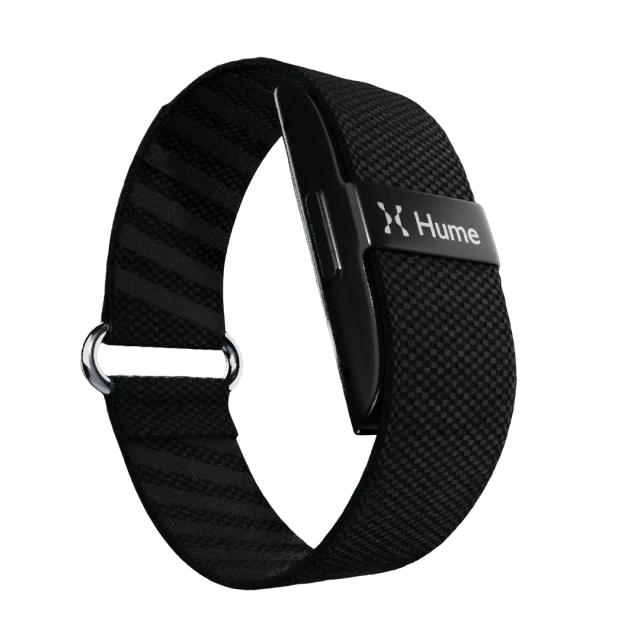
What the Hume Band 2.0 actually is
Let me clear up the confusion first, because I had it too when I ordered. The Hume Band 2.0 is a wrist wearable from Hume Health, and it's built around metabolic and recovery tracking rather than apps and notifications. According to a 2026 review published on Newswire, the device is positioned around ideas like Metabolic Capacity, blood pressure trend monitoring and biological age. That framing matters, because it tells you the company is chasing long-term health signals, not step-count bragging rights.
The other thing worth knowing is the ecosystem. On the official Hume Health product page, the company explains that the Hume Band works on its own for daily tracking, while the Hume Pod is an optional companion device that scans body composition like body fat and muscle mass for a more complete picture, and it's not required. So if you came here because you saw that long 45-metric body composition list, just know most of those deep segmental readings come from the Pod, not the Band on your wrist. I think that distinction is the single most important thing a buyer should understand before paying.
For me, that clarity actually raised my confidence. I'd rather a brand tell me "the wrist does these things, the scanner does those things" than pretend one tiny sensor can read your entire body perfectly. It set realistic expectations from day one.

Design, comfort and first impressions
Out of the box, the Hume Band 2.0 is understated in a way I appreciate. There's no flashy screen screaming for attention, and it disappears under a shirt cuff. In its hands-on review, Wareable described the 2.0 as lightweight, soft and discreet, with a minimalistic look, and that lines up exactly with my experience wearing it to sleep and to the gym.
The build is mostly plastic and the strap is soft, which keeps the weight down but won't give you that premium metal heft some people crave. Honestly, I stopped noticing it on my wrist within a day, and for a sleep-and-recovery tracker that's the whole point. A heavy, rigid band ruins overnight readings because you fidget with it; this one didn't.
One small honesty note: because it's so minimal, there's almost nothing to interact with directly on the device. If you're the type who likes tapping a screen on your wrist, you'll feel that absence. I came to see it as a feature, not a flaw, but your mileage will vary. The same Wareable review also makes the point that the Band focuses on health monitoring rather than pushing productivity tools, and that trade-off is baked into the whole design philosophy.

What it tracks and how accurate it felt
This is where the Hume Band 2.0 gets interesting. The headline feature people ask me about is the cuffless blood pressure tracking. As AccessNewswire reports, the Band uses photoplethysmography, or PPG, optical sensors at the wrist to derive blood pressure trends continuously. I want to be very careful here, because that's trend data, not a medical-grade cuff reading, and I treated it that way. It's useful for spotting patterns over days and weeks, not for diagnosing anything.
Beyond that, the device leans into the metabolic and recovery picture that Newswire highlights, things like Metabolic Capacity and biological age estimates. Those are modeled metrics, so I read them as directional. When my recovery numbers dipped after a few bad nights, the Band reflected it, and when I slept better the trend recovered. That internal consistency is what earns my trust more than any single absolute number.
On certification, AccessNewswire notes the device is FCC-certified and supports an airplane-style mode to limit wireless transmission, which is a nice touch for anyone who's sensitive about wearing radios to bed. For the full body composition breakdown, including the segmental fat and muscle readings, you'll want to pair it with the Hume Pod, since the official page is upfront that those deeper scans come from that companion device.
Did I find weak spots? Yes. Optical wrist sensors are inherently affected by fit, skin tone and motion, so a too-loose band gave me noisier readings until I tightened it. And modeled metrics like metabolic age should be read as estimates, not gospel. If you go in expecting clinical precision from a wrist gadget, you'll be disappointed by any brand, not just this one.
My experience after a few weeks
The first couple of days were mostly setup and getting used to the app rhythm. After about a week, I stopped checking individual readings obsessively and started looking at the weekly trend lines, which is genuinely how this device wants to be used. That shift changed how I felt about it. Instead of stressing over one odd morning number, I'd ask, "Is my recovery trending up or down this week?"
One specific thing I noticed: the comfort really does encourage all-night wear, and that consistency made the sleep and recovery data feel more reliable over time. I've abandoned bulkier trackers before simply because I'd take them off at night. With the Hume Band 2.0 I just kept it on, and the dataset got richer because of it.
I'll be honest about my doubts too. Early on I wasn't sure the blood pressure trend feature would tell me anything actionable, and I'm still cautious about over-reading it. But used as a long-term trend tool alongside my other habits, it became one more gentle nudge to take rest and hydration seriously. It didn't promise to fix anything, and I wouldn't want it to. What it did was give me patterns I could act on, like winding down earlier when my recovery slipped.
By the end of my testing window, the Band had quietly become part of my routine. That's actually the highest compliment I give a wearable, because most of them end up in a drawer within a month. This one didn't.
Battery, app and the no-subscription model
The thing that genuinely surprised me in the best way is the business model. As both Newswire and AccessNewswire emphasize, the Hume Band 2.0 is built around no-subscription tracking. I'm so tired of buying hardware and then getting hit with a monthly paywall to actually read my own data, so this stood out. You buy the device and the insights come with it.
The companion app is where everything lives, and it's clean enough that I never felt lost. The official Hume Health page also notes a free app is included, which fits the no-paywall philosophy. I'd describe the app experience as focused rather than overwhelming, which suits a device that's about trends instead of dozens of widgets.
On battery, I'll keep this qualitative because I want to be straight with you: I didn't have an independently confirmed runtime figure to quote, so I won't throw a fake number at you. In practice it comfortably handled multi-day wear between charges in my routine, and the lightweight design clearly helped keep power demands modest. If exact battery specs matter to your buying decision, check the current details on the official listing before you order.
Price, warranty and where to buy
Pricing on devices like this changes with promotions, so I'd rather send you to the official Hume Health store for the current number than guess and mislead you. What I can speak to is the offer structure I saw. The official page bundles a free app and includes free shipping, and there's a pay-over-time option at checkout, which lowers the barrier if you don't want to pay all at once.
The detail I found most reassuring was the optional 10-Year Warranty. According to the Hume Health checkout information, you can add a decade of hardware and sensor coverage, with on-request servicing and recalibration if you ever notice accuracy drift. The page lists a discounted add-on price of $46 at checkout versus $70 if you add it later. For a device you're meant to wear daily for years, that kind of long-horizon coverage genuinely shifts the value math for me.
My buying advice is simple. If you want a discreet, comfortable, trend-focused health wearable without a monthly subscription, the Hume Band 2.0 is an easy shortlist pick. If you specifically want the full body composition breakdown, budget for the optional Hume Pod too, because the Band alone won't deliver those segmental scans. Buy from the official store so your warranty and servicing are clean, and confirm the live price and battery specs on the listing before you commit.
Strengths
- Genuinely comfortable, lightweight and discreet enough for all-night wear, as Wareable also observed
- No-subscription model, so your insights come with the hardware
- Focused on metabolic and recovery trends instead of distracting productivity tools
- Cuffless blood pressure trend tracking via PPG sensors, per AccessNewswire
- FCC-certified with an airplane-style mode to limit wireless transmission
- Optional 10-Year Warranty with on-request recalibration
Weaknesses
- Mostly plastic build that won't feel premium to everyone
- Blood pressure data is trend-based, not a clinical cuff reading
- Deep body composition metrics really want the optional Hume Pod
- Modeled metrics like metabolic age should be read as estimates
- Very minimal device with little direct on-wrist interaction
- Public battery specs were not something I could independently confirm
Frequently asked questions
Is the Hume Band 2.0 a smartwatch?
Not really. It's a health-focused wearable, and as Wareable notes, it concentrates on health monitoring rather than pushing productivity tools. If you want apps and notifications on your wrist, this isn't built for that, and honestly that's the point.
Does it measure blood pressure like a cuff?
No. According to AccessNewswire, it uses PPG optical sensors to derive blood pressure trends continuously from the wrist. I treated it as trend data for spotting patterns over time, not as a medical-grade measurement, and you should too.
Do I need the Hume Pod as well?
Only if you want the full body composition breakdown. The official Hume Health page states the Band works on its own for daily tracking, while the Hume Pod is an optional companion that scans body fat, muscle mass and more, and isn't required.
Is there a monthly subscription?
No, and that's a highlight. Both Newswire and AccessNewswire describe the Hume Band 2.0 as a no-subscription wearable, so your tracking insights come with the device instead of behind a paywall.
Is the warranty worth adding?
For a device meant to last years, I think it's worth a look. The Hume Health checkout lists an optional 10-Year Warranty covering hardware and sensors, with on-request servicing, at a discounted $46 at checkout versus $70 later. Check the current terms on the official listing.
Who is the Hume Band 2.0 best for?
People who want comfortable, all-day-and-night health trend tracking without subscriptions or distractions. If you prefer rich on-wrist apps, or you need clinical-grade numbers, look elsewhere. For long-term metabolic and recovery trends, it earned its place in my routine.