How to Choose Good Earbuds: A Beats Headphones Guide for 2026
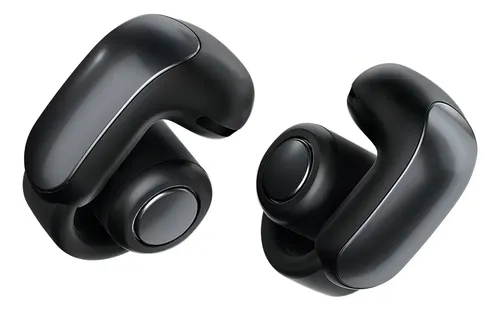
Choosing good earbuds comes down to a few things that matter more than the spec sheet: how they fit, how they sound, how they handle noise, and how long they last on a charge. This 2026 guide walks through those criteria step by step and explains where Beats headphones and earbuds fit into the decision, so you can pick the right pair for your ears and habits, not just the flashiest name.
Key facts
- Beats is a headphone and earbud brand owned by Apple, and its true-wireless earbuds work with both iPhone and Android devices.
- Fit and ear-tip seal, not price, are the biggest factor in how earbuds sound and how well noise cancellation works.
- Beats offers different earbud lines, including in-ear buds and ear-hook designs aimed at workouts.
- Active noise cancellation (ANC) and a transparency (pass-through) mode are common features on higher-end earbuds, including several Beats models.
- A sweat- and water-resistance rating matters most if you plan to run or train with your earbuds.
- This is an educational guide, not a review: it explains how to choose, not where to buy.
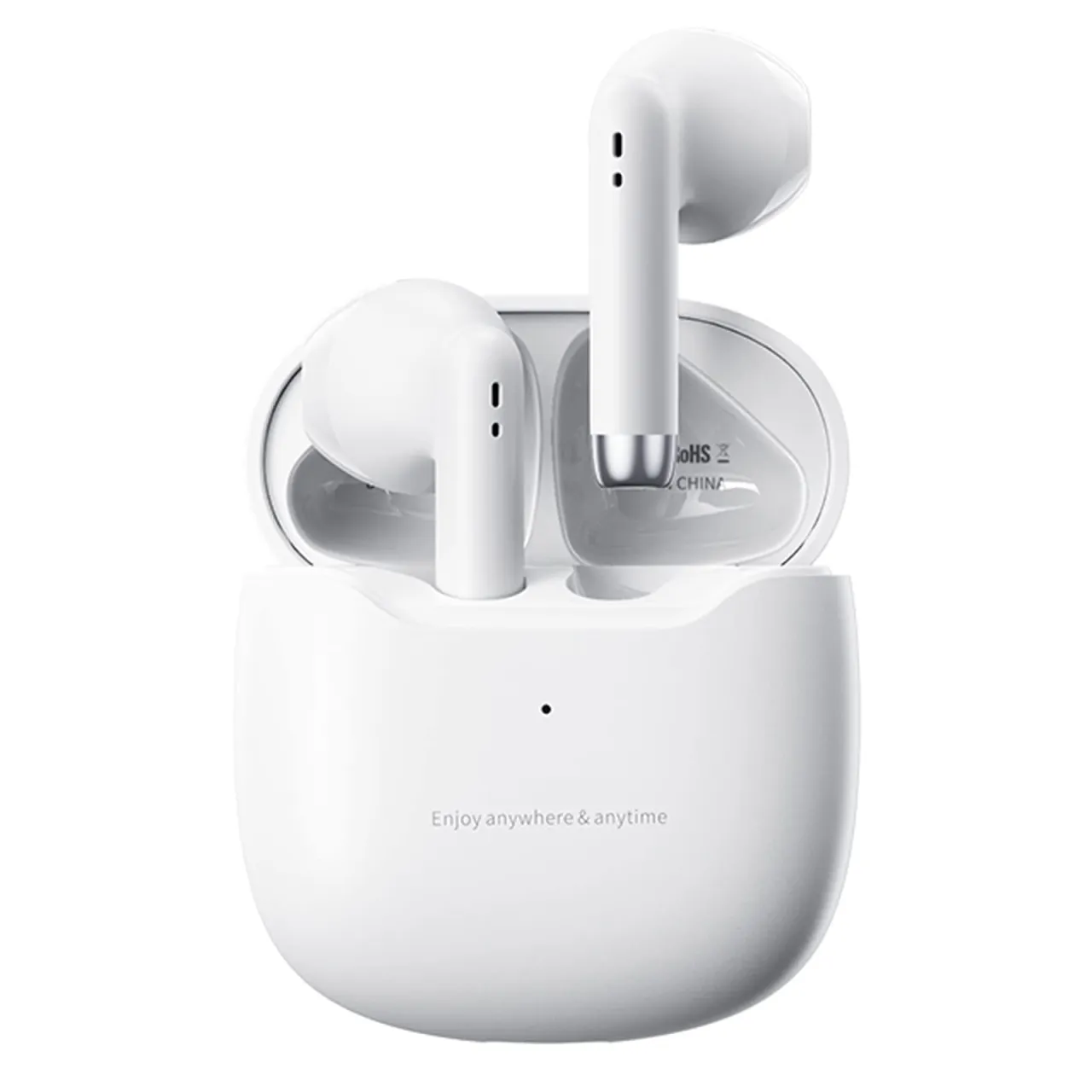
What "good earbuds" actually means in 2026
Good earbuds are the ones that match your ears, your environment, and your routine, not simply the ones with the longest feature list. The most useful way to judge a pair is against a short set of criteria: fit and comfort, sound signature, noise control, battery life, connectivity, and durability. Everything else, from touch controls to voice assistants, is a bonus layered on top of those fundamentals.
It also helps to separate two categories that people often mix up. True-wireless earbuds sit inside or at the entrance of your ear canal and come with a charging case, while over-ear headphones cup the whole ear. Both can carry the Beats name, but they solve different problems: earbuds win on portability and workouts, while over-ear designs usually offer bigger sound and longer single-charge listening. Decide which form factor you want before comparing individual models.
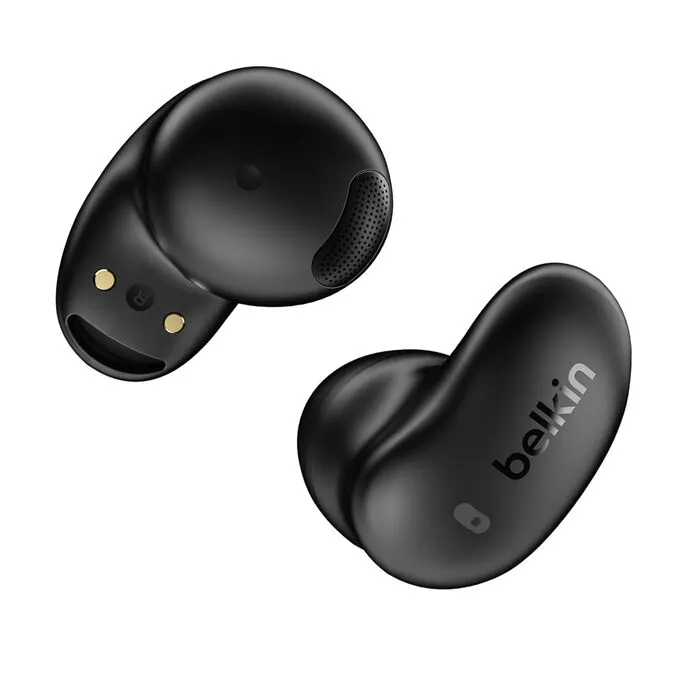
Fit and seal: the criterion most people skip
Fit is the single most important thing to get right, because a poor seal quietly ruins everything else. When an ear tip doesn't seal properly, bass thins out, volume drops, and any active noise cancellation struggles to do its job. That's why most in-ear models, including several Beats earbuds, ship with multiple ear-tip sizes so you can find the one that stays put and blocks outside sound.
Here's a simple way to check fit at home:
- Insert the earbud and gently twist it until it feels snug, not painful.
- Play music and cup your hands over your ears; if the bass gets noticeably fuller, your seal was probably leaking.
- Try the next tip size up or down and repeat until the sound stays consistent whether or not you cup your ears.
- Move your head and jaw; a good tip holds position without needing constant readjustment.
If you plan to run or lift, consider a design with a wingtip or ear-hook for extra security. Beats makes ear-hook style earbuds specifically aimed at that kind of movement, which many people find more stable than a plain in-ear shape during hard workouts.
Sound, noise cancellation, and transparency
For sound, focus on the signature rather than chasing a "best" number. Some earbuds tune toward a punchy, bass-forward profile, while others aim for a flatter, more neutral balance; neither is objectively correct, it depends on what you listen to. Beats has a long-standing reputation for an energetic, low-end-friendly sound, which suits a lot of pop, hip-hop, and gym playlists, though tastes vary and it's worth listening if you can.
Noise control usually comes in two modes. Active noise cancellation (ANC) uses microphones to counter steady background sound like a train hum or office HVAC, which makes it valuable for commuting and travel. A transparency or pass-through mode does the opposite, letting outside sound in so you can hear traffic or a conversation without removing the earbuds. Several higher-end Beats earbuds offer both, and being able to switch is genuinely useful in daily life.
One editorial caution: no earbud silences everything, and marketing language around noise cancellation can oversell it. Treat ANC as strong reduction of low, constant sounds rather than total silence, and remember that a good passive seal (see the fit section) does a lot of the work before ANC even kicks in.
How Beats headphones and earbuds models differ
Beats splits its earbuds into a few broad styles, and understanding the categories matters more than memorizing model names. According to Beats, the brand is owned by Apple, and its true-wireless earbuds are designed to pair with both iPhone and Android phones, which is a practical point if you don't live entirely in Apple's ecosystem.
The main earbud styles to know
- Compact in-ear buds: small, stem-free or short-stem designs meant for everyday listening and calls, prioritizing portability and comfort.
- Ear-hook "Powerbeats" style: earbuds with a flexible hook over the ear, built for stability during running and training.
- Feature-focused models: options that add active noise cancellation, transparency mode, and tighter integration with your phone.
When comparing two Beats headphones options, line up the things that actually change your experience: does it have ANC or not, does it include a secure ear-hook, how does the charging case affect pocketability, and does it support the controls you'll use most. Feature names change between generations, so anchor your comparison to those functional questions rather than the model badge alone.
Battery, connectivity, and daily use
Battery life on true-wireless earbuds has two parts: how long the buds last on one charge, and how many extra charges the case holds. For most people the case total is what keeps you going through a week, so check both figures on the official spec page of whichever model you're considering before buying. Also look for a quick-charge feature, which tops up enough for a short session from a few minutes in the case, handy when you're about to head out.
On connectivity, modern earbuds use Bluetooth to pair with your phone, laptop, or tablet. If you use an iPhone, Beats earbuds generally offer fast, tap-to-connect pairing and easy switching within Apple devices; on Android, a companion app typically handles setup, controls, and firmware updates. Multipoint pairing, where the earbuds hold a connection to two devices at once, is worth confirming if you switch between a phone and a computer often.
Finally, weigh water and sweat resistance for your lifestyle. A rated level of resistance protects against sweat and rain, which matters for workouts and commutes, but no consumer earbud is meant for swimming or submersion. Match the rating to how you'll really use them rather than to a worst-case scenario.
Choosing Beats headphones for your specific use
The right pick changes with the job, so start from how you'll use them. Here's a quick way to map needs to features when weighing Beats headphones or any competing earbuds.
- For commuting and travel: prioritize strong ANC and a case with plenty of reserve charge.
- For running and the gym: prioritize a secure ear-hook or wingtip and a solid sweat-resistance rating.
- For calls and work: prioritize call clarity, reliable multipoint pairing, and comfort for long wear.
- For casual everyday listening: prioritize comfort, easy pairing, and a sound signature you enjoy.
There's rarely a single pair that's best at all of these at once, and that's fine. Pick the one or two priorities that describe most of your day, then choose the model that nails those, accepting compromises on the rest.
Common mistakes when choosing earbuds
Avoiding a few predictable errors will save you the most frustration. The biggest one is ignoring fit: people buy on brand or bass reputation, keep the default ear tips, and then blame the earbuds for weak sound that's really a seal problem. Test the tip sizes first, every time.
Other frequent mistakes include over-valuing active noise cancellation for a use case that doesn't need it, overlooking the case battery in favor of just the bud battery, and assuming every feature carries over between generations of the same product line. It's also easy to forget to check ecosystem details, so if you own an Android phone, confirm app support and controls rather than assuming an Apple-owned brand only plays nicely with iPhone.
Frequently asked questions
Are Beats earbuds good for Android?
Yes. According to Beats, its true-wireless earbuds are designed to work with both iPhone and Android. On Android you'll typically use a companion app to handle setup, controls, and updates, while core functions like listening and calls work normally over Bluetooth.
What's the difference between Beats earbuds and Beats over-ear headphones?
The main difference is form and use. Earbuds are small, portable, and better for workouts and on-the-go listening, while over-ear Beats headphones cup the whole ear and generally deliver bigger sound and longer single-charge playtime. Choose based on portability versus comfort and battery.
Do I really need active noise cancellation?
Not always. ANC is most useful for steady background noise like commuting, flights, or a noisy office. If you mostly listen at home or want to stay aware of your surroundings, a good passive seal plus a transparency mode may serve you better than paying extra for strong ANC.
Which Beats are best for running?
Look at the ear-hook style earbuds in the Beats range, which are built to stay secure during movement, and confirm the model carries a sweat- and water-resistance rating. A stable fit matters more than any single spec when you're training.
How do I get the best sound from my earbuds?
Start with the ear tips. Try each included size and pick the one that seals without discomfort, since a proper seal restores bass and helps noise cancellation. After that, keep the buds and mesh clean, and use any in-app equalizer if your model offers one.
Are Beats worth choosing over other earbuds?
That depends on your priorities rather than the badge. Beats is known for an energetic, bass-friendly sound and, as an Apple-owned brand, tight pairing with iPhones. Compare the functional criteria in this guide, fit, sound, noise control, battery, and durability, against any alternative before deciding.