NanoPolix Review: Does This Scratch Cloth Actually Work?
What NanoPolix Is and How It Works
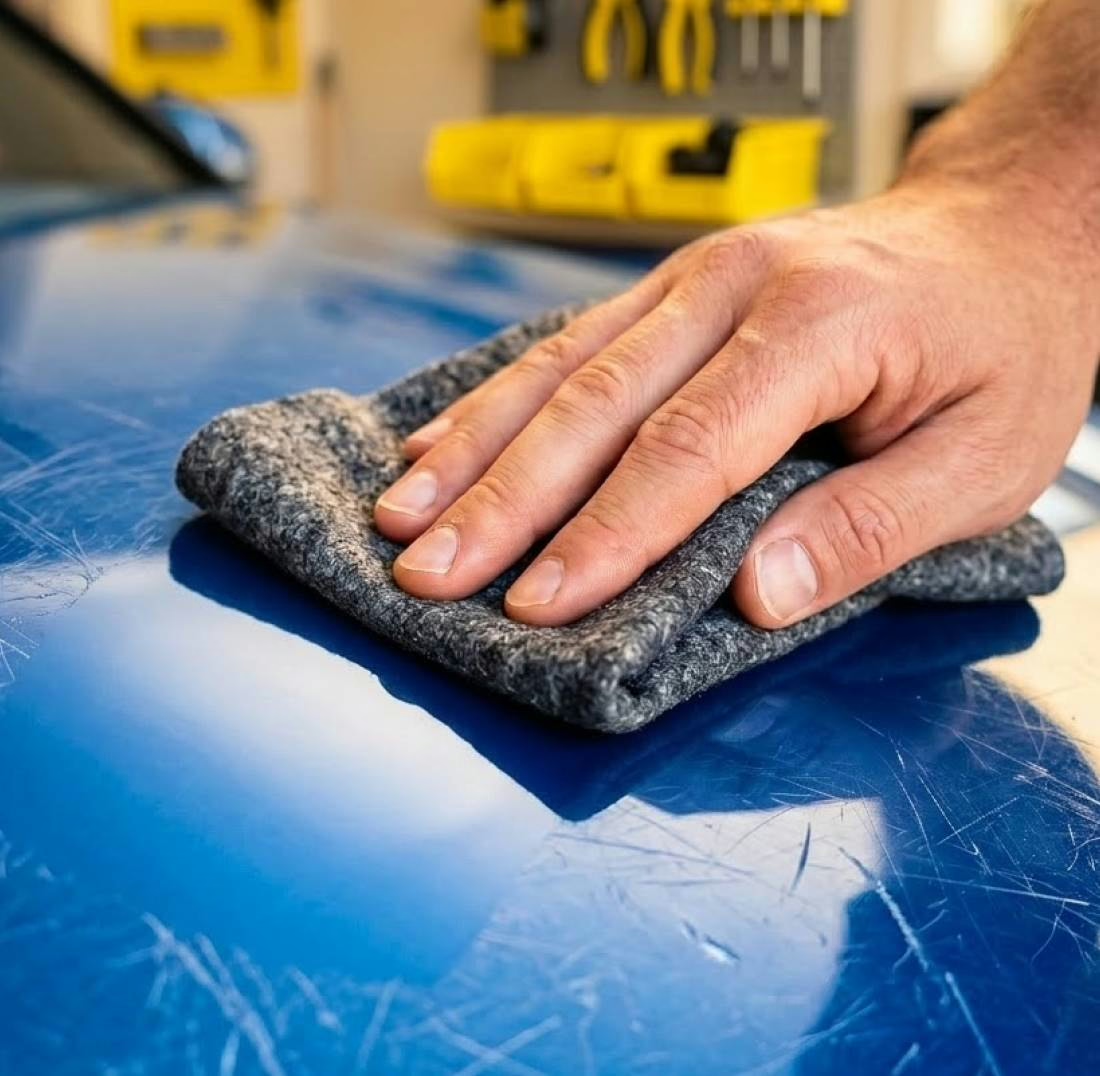
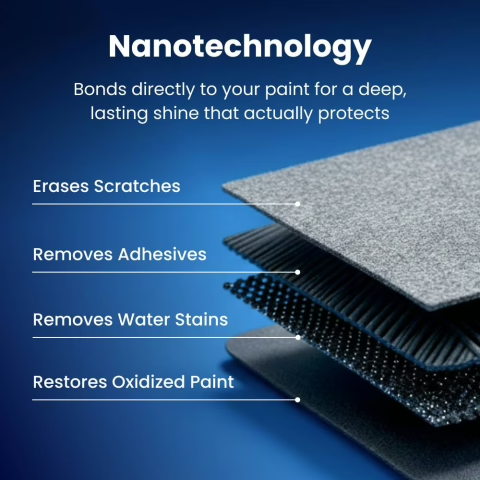
NanoPolix is a reusable scratch-repair cloth built around what the maker calls active nano-metal technology. Instead of the old routine of buying a rubbing compound, a polishing pad and a microfiber towel, you get a single treated cloth that you wipe over the damaged area. The idea is that the fine nano-metal particles physically fill and level the tiny gap in the paint, then blend with the surrounding clear coat so the light stops catching the scratch. That is why a scuff that was obvious in direct sun can seem to vanish after a few passes.
The important thing to understand, and something plenty of buyers miss, is the difference between a scratch and a gouge. Most of what we see on a car every day is not deep at all. It is damage in the clear coat, the transparent protective layer that sits on top of the color. Those swirl marks from an automatic car wash, the hazing on a bumper, the scuff where a shopping cart kissed the door, all of that lives in the clear coat. A product like NanoPolix is designed exactly for that zone. The official page also markets it as a general cleaner that lifts things like bird-dropping stains, road tar splatter and surface oxidation in the same wipe, and in my testing that dual-purpose claim held up better than the "removes everything" headline does.
Application could not be simpler, which is a big part of the appeal. You clean the panel so you are not grinding grit into the paint, wipe NanoPolix over the mark in small back-and-forth passes, and buff off the residue. There is no curing lamp, no tape-off, no drying time to babysit. The cloth is described as reusable for multiple repairs, so one piece stretches across a whole car and then some, which is where the "cost-effective" pitch actually earns its keep.
My Experience After Two Weeks
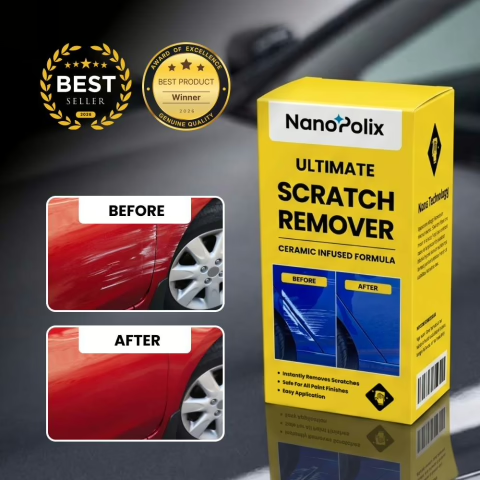
I will be specific, because that is what I look for when I read a review. The first thing I tested was a cluster of fine swirl scratches on the trunk lid, the sort you only notice when the sun hits at the wrong angle. I wiped for maybe forty seconds and the difference was immediate. The panel went from that dull, cloudy look to something close to the deep, wet shine it had when the car was newer. That first result is honestly what sold me on continuing, because it took less effort than wiping down a kitchen counter.
Then I moved to the harder stuff. There was a scuff on the rear bumper corner from backing too close to a post, more of a transfer mark with a shallow scratch underneath. NanoPolix pulled the gray transfer off completely and knocked the scratch down so it is now something I have to hunt for rather than something my eye jumps to. A thin key-line down the passenger door improved a lot but did not disappear entirely, and I would not expect it to, because that line had bitten a little deeper than the clear coat. What changed in my routine is the bigger point: I stopped feeling embarrassed about the car in the office parking lot, and I stopped mentally saving up for a detailer. The car simply looks cared for again.
A few honest observations from living with it. The finish is best when you work in the shade on a cool panel, not in blazing midday sun. You do need a little patience and repeated passes on the tougher marks, so the "60-second" framing is true for light stuff but optimistic for anything deeper. And it is very much a hands-on job, so if you hate the idea of spending twenty minutes walking around your car, this is not going to magically do it for you. For me, none of that outweighed the results, and the shine it leaves behind lasted well through the following weeks.
Is NanoPolix Legit? Does It Really Work?
This is the question I had before buying, so let me tackle it head-on. The most common complaint you see with any nano-cloth scratch remover is "it didn't remove my deep scratch," and I think that comes down to expectations rather than a faulty product. If a scratch has cut through the color coat down to primer or metal, no wipe-on cloth on earth is filling that permanently. That is body-shop territory. Judged fairly, on the light-to-moderate clear-coat damage it is actually built for, NanoPolix does what it claims for me. Setting the right expectation is the single biggest thing that separates a happy buyer from a disappointed one.
On the safety question, I was cautious about using anything abrasive on paint, especially on a darker color where mistakes show. The formula is marketed as non-abrasive and safe on all paint colors and types, and after using it across several panels I did not create any new haze or marring, which is more than I can say for some cheap rubbing compounds I have tried in the past. I would still test on an inconspicuous spot first, simply as good practice with any paint product.
As for whether the brand is real, the official listing shows a 4.7 rating across more than a thousand verified reviews and references thousands of customers, and the product ships from stock rather than being some vaporware pre-order. Combine that with a 30-day money-back guarantee and the actual risk of trying it is small. That guarantee is the reason I felt comfortable buying in the first place: if it had done nothing on my car, I could have sent it back. It did not come to that, but knowing the safety net was there made the decision easy.
Price and the Official Offer
Here is where NanoPolix makes its strongest practical argument. A professional scratch correction or a detailer's polish job is not cheap, and even a minor body-shop touch-up tends to cost far more than most people expect for what is a small area of damage. NanoPolix positions itself as the do-it-yourself alternative that handles the light stuff at home for a tiny fraction of that, and once you have it, the reusable cloth keeps working across repair after repair, so the cost per fix keeps dropping the more you use it.
At the time I am writing this, the official offer is running a 65% discount off the regular price, and it is listed as in stock and ready to ship. I am deliberately not quoting a fixed dollar figure here, because promotional pricing on these direct offers changes and I would rather you see the live number than trust a stale one from me. The discount plus the 30-day money-back guarantee is the real reason to act now rather than "sometime," since the guarantee means you can try it on your own scratches with your money protected. You can check the current discounted price and claim the guarantee directly through the official offer.
One note that matters: buy it through the official offer only. That is where the guarantee, the current discount and genuine stock are tied together, and it keeps the whole thing simple if you ever need support or a refund.
What I Liked
- Fast, obvious results on swirl marks, hazing and light clear-coat scratches
- Genuinely simple to use, no compounds, pads or curing time
- Doubles as a cleaner that lifts tar, bird-dropping stains and oxidation
- Non-abrasive and safe on the darker paint I tested it on
- Reusable cloth, so the cost per repair keeps falling
- Backed by a 30-day money-back guarantee, which lowers the risk
What to Keep in Mind
- It will not fully erase deep gouges that cut through the color, but for the everyday clear-coat scuffs most of us actually have, it does the job
- The "60-second" promise is spot-on for light marks but optimistic on tougher ones, so expect a few extra passes
- It is a hands-on task, so it is best for people who don't mind spending a little time on their car rather than those wanting zero effort
- Results look best done in the shade on a cool panel, not in direct midday sun
Frequently Asked Questions
Is NanoPolix worth it?
For me, yes. If your car has the usual light swirls, hazing and shallow scuffs, it delivers a shine that looks like a proper detail for a fraction of the cost, and the reusable cloth pays for itself over multiple fixes. With the money-back guarantee, the downside of trying it is small.
Does NanoPolix really work, or is it a gimmick?
It works on the damage it is designed for, meaning clear-coat level scratches and scuffs. In my testing it made light marks disappear and knocked back deeper ones significantly. It is not a fix for scratches that have gone through to primer or metal, so match your expectations to the type of damage.
Is it safe for all paint colors?
It is marketed as non-abrasive and safe on all paint types and colors, and I did not create any new marring on the darker paint I used it on. As with any paint product, I would test a hidden spot first just to be safe.
How long does the effect last?
The maker says the polishing agents leave a protective layer that helps shield against future scuffs, UV fading and oxidation. In my case the restored shine held up well over the following weeks, and you can simply re-treat an area later since the cloth is reusable.
Where should I buy NanoPolix?
Buy it through the official offer. That is where the current 65% discount, real stock and the 30-day money-back guarantee are all tied together, which keeps support and refunds straightforward if you ever need them.